
What Is the 30 Days AI Video Trend? Enter Any Fictional World for a Month
Name a universe, describe a premise, and watch an eight-scene story unfold across four milestone days, with you as the protagonist — narrated by AI that actually watched your finished footage.
Aug 24, 2026 · 6 min read · Explained
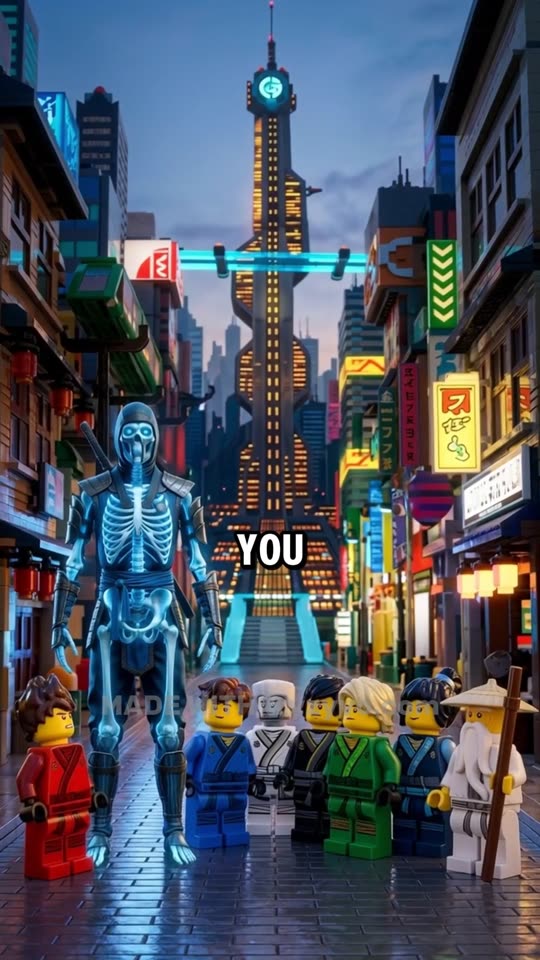
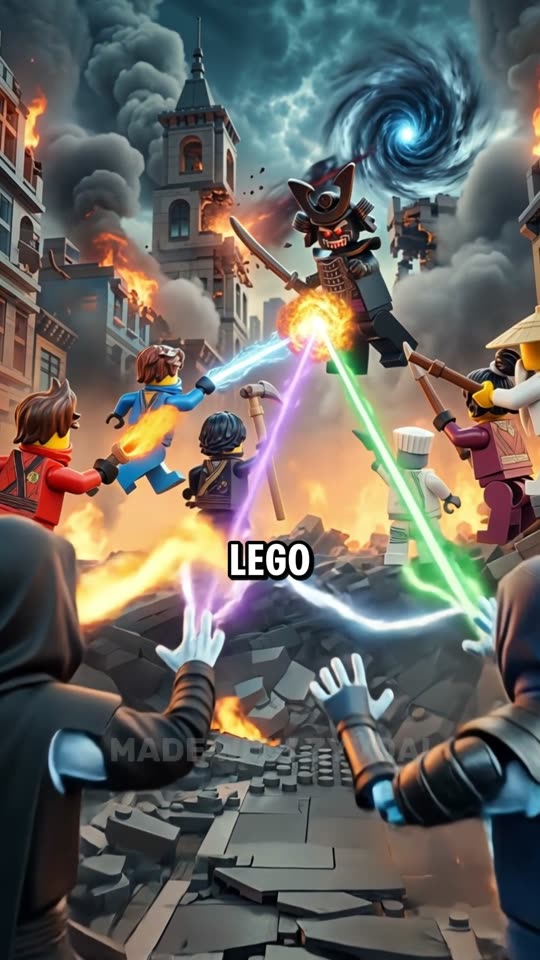
Name any universe
LEGO Ninjago, Pokémon, Hogwarts, Naruto, One Piece, Minecraft — or type in any fictional world you want to spend 30 days inside.
Set the premise
Write your own, or let AI write a viral-shaped one. You're always the protagonist, even when the premise is a world-level crisis.
Zyvo locks a consistent world
Before any scene is generated, Zyvo builds 4 to 6 reference images — the key locations and canon characters — so every scene stays visually consistent.
Eight scenes across four milestone days
Zyvo generates 8 scene images — two for each of Day 1, 10, 20, and 30 — and animates each into a 5-second clip, with you compositionally central and named characters interacting with you rather than replacing you.
AI narrates the real footage
Once the clips are done, Zyvo watches them and writes one continuous hook and narration story from what actually happens on screen — not a generic script written blind.
Pick a voice, export
Choose from 12 voice options and export one stitched, narrated vertical video — about 40 seconds total.
Why it's different from a one-off image trend
Most AI image trends produce a single striking still. 30 Days produces a real eight-beat story across four milestone days with a locked visual world and a narration written from your actual footage — closer to a short film than a filter. See fifty universe ideas to find your first world.
Explore 30 DaysRelated Articles
50 30 Days Universe Ideas: What World Should You Spend 30 Days In?
Fifty fictional universes to try, grouped by mood.
24.08.2026
How to Turn One 30 Days Story Into a Series
A simple structure for turning one 30-day story into an ongoing world you keep returning to.
24.08.2026
How to Write a Viral 30 Days Premise (Formula + Examples)
A four-part formula for a stronger premise, with weak-vs-strong examples.
25.08.2026


